
Understanding the Pest Control Inspection Process
When it comes to keeping your home safe and comfortable, dealing with pests is a top priority. But before any treatment begins, there’s an important step that often gets overlooked - the pest control inspection process. This step is crucial because it helps identify the type of pests, the extent of the problem, and the best way to handle it. Let me walk you through what this process looks like and why it matters so much.
Why the Pest Control Inspection Process Matters
You might wonder, why not just jump straight to pest control treatments? Well, skipping the inspection can lead to ineffective solutions or even missing the root cause of the problem. The inspection process is like a detective’s work. It helps uncover where pests are hiding, how they’re getting in, and what’s attracting them.
For example, if you have ants invading your kitchen, a quick spray might kill the ones you see. But without an inspection, you might miss the nest hidden behind a wall or the food source attracting them. This means the problem could come back soon after treatment.
A thorough inspection also helps in choosing the right treatment. Different pests require different approaches. Termites, rodents, cockroaches, and bed bugs all behave differently and need specific strategies. The inspection ensures that the treatment plan is tailored to your home’s unique situation.
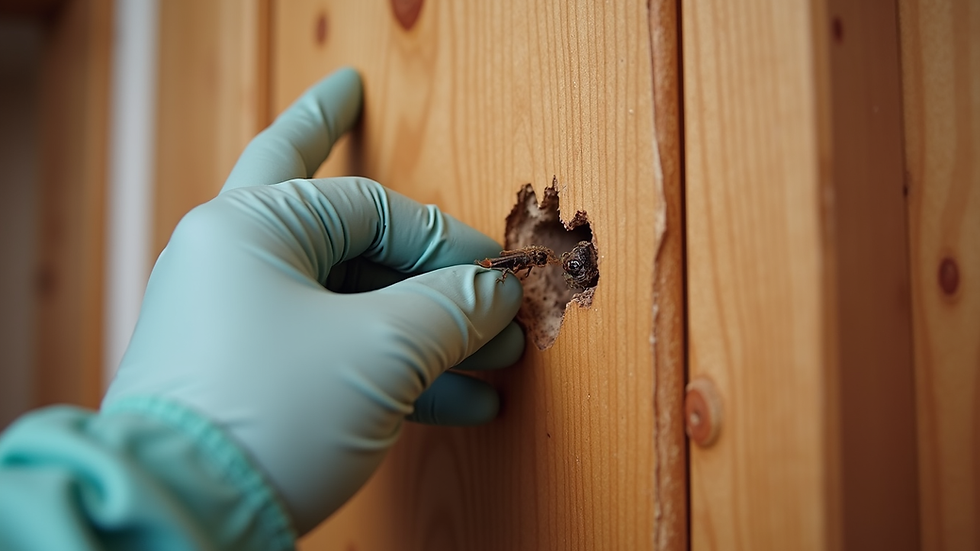
What Happens During the Pest Control Inspection Process?
The pest control inspection process is more than just a quick look around your home. It’s a detailed examination that covers both the inside and outside of your property. Here’s what typically happens:
Initial Walkthrough
The technician starts by walking around your home’s exterior. They look for signs like cracks in the foundation, gaps around windows and doors, and areas where water collects. These spots are common entry points for pests.
Checking the Interior
Inside, the inspection focuses on places pests love to hide. This includes basements, attics, kitchens, and bathrooms. The technician looks for droppings, nests, damage to wood or insulation, and any live pests.
Identifying Pest Types
Different pests leave different signs. The technician uses their experience to identify what kind of pests are present. This is important because it affects the treatment plan.
Assessing Damage and Risk
The inspection also checks how much damage pests have caused and how urgent the problem is. For example, termite damage can weaken your home’s structure, so it needs immediate attention.
Discussing Findings and Recommendations
After the inspection, the technician explains what they found. They’ll recommend the best treatment options and may suggest ways to prevent future infestations.
This process usually takes about 30 minutes to an hour, depending on the size of your home and the severity of the pest problem.
What to Expect During a Pest Control Inspection?
If you’ve never had a pest control inspection before, you might be curious about what to expect. Here’s a simple guide to help you prepare and know what will happen:
Be Ready to Share Information
The technician may ask about any pest sightings you’ve had, when you noticed them, and any previous treatments. This helps them understand the situation better.
Allow Access to Key Areas
Make sure the technician can access places like the basement, attic, garage, and crawl spaces. These are common pest hideouts.
Look for Visible Signs
If you’ve noticed droppings, damage, or live pests, point them out. This can speed up the inspection.
Ask Questions
Don’t hesitate to ask about the inspection process, the pests found, or the treatment options. A good technician will be happy to explain everything clearly.
Receive a Detailed Report
After the inspection, you should get a report outlining the findings and recommended next steps. This helps you understand the problem and what to expect from treatment.

How to Prepare Your Home for an Inspection
Preparing your home can make the inspection smoother and more effective. Here are some simple steps you can take:
Clean Up Clutter
Pests love hiding in cluttered areas. Tidying up basements, garages, and storage spaces helps the technician see all the nooks and crannies.
Fix Leaks and Moisture Issues
Many pests are attracted to moisture. Repair any leaks and dry out damp areas before the inspection.
Clear Access Points
Move furniture or boxes away from walls so the technician can check for pest activity.
Secure Pets
Keep pets in a safe area during the inspection to avoid distractions or stress.
Note Pest Activity
Write down when and where you’ve seen pests. This information is valuable for the technician.
Why Regular Inspections Are a Smart Choice
Even if you don’t see pests, regular inspections are a smart way to protect your home. Pests can be sneaky and cause damage before you notice them. Scheduling inspections once or twice a year can catch problems early.
Regular inspections also help maintain the effectiveness of any treatments you’ve had. They provide peace of mind knowing your home is being monitored by professionals.
If you’re dealing with pests or just want to be proactive, consider reaching out to a trusted service like Freedom Pest Control LLC for a thorough pest control inspection. Their team knows Virginia homes well and can quickly identify and solve pest problems.
Taking Control of Your Home’s Pest Problem
Understanding the pest control inspection process is the first step toward a pest-free home. It’s not just about getting rid of bugs or rodents; it’s about protecting your investment and your family’s health.
By knowing what to expect and how to prepare, you can make the inspection process easier and more effective. Remember, a good inspection leads to a targeted treatment plan that works.
If you suspect pests or want to prevent them, don’t wait. Schedule a professional inspection and take control of your home’s pest problem today. Your home deserves the best care, and so do you.


Comments